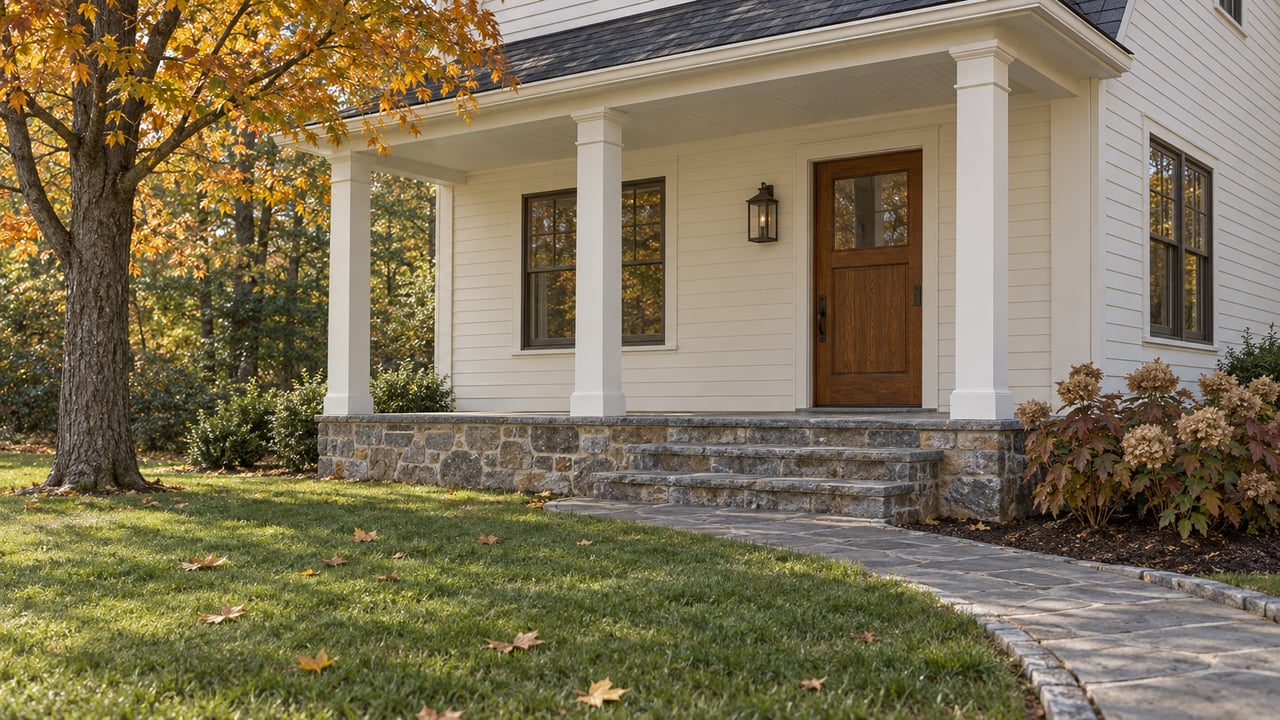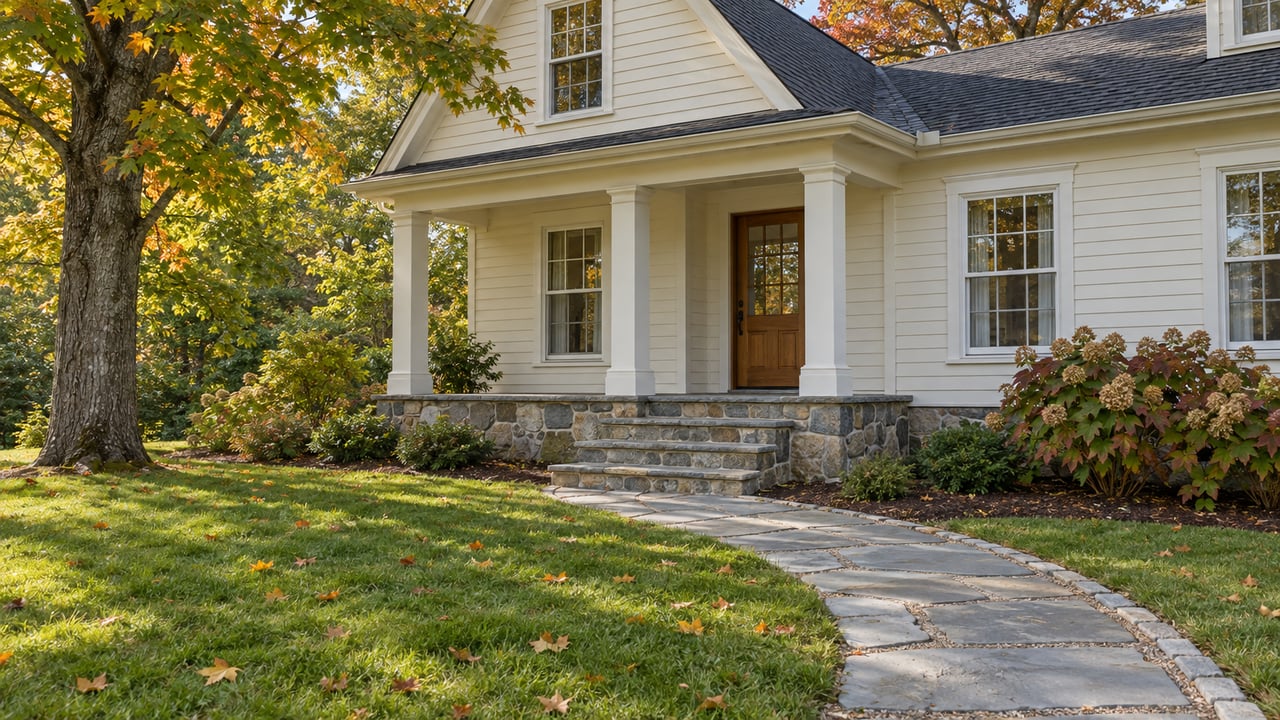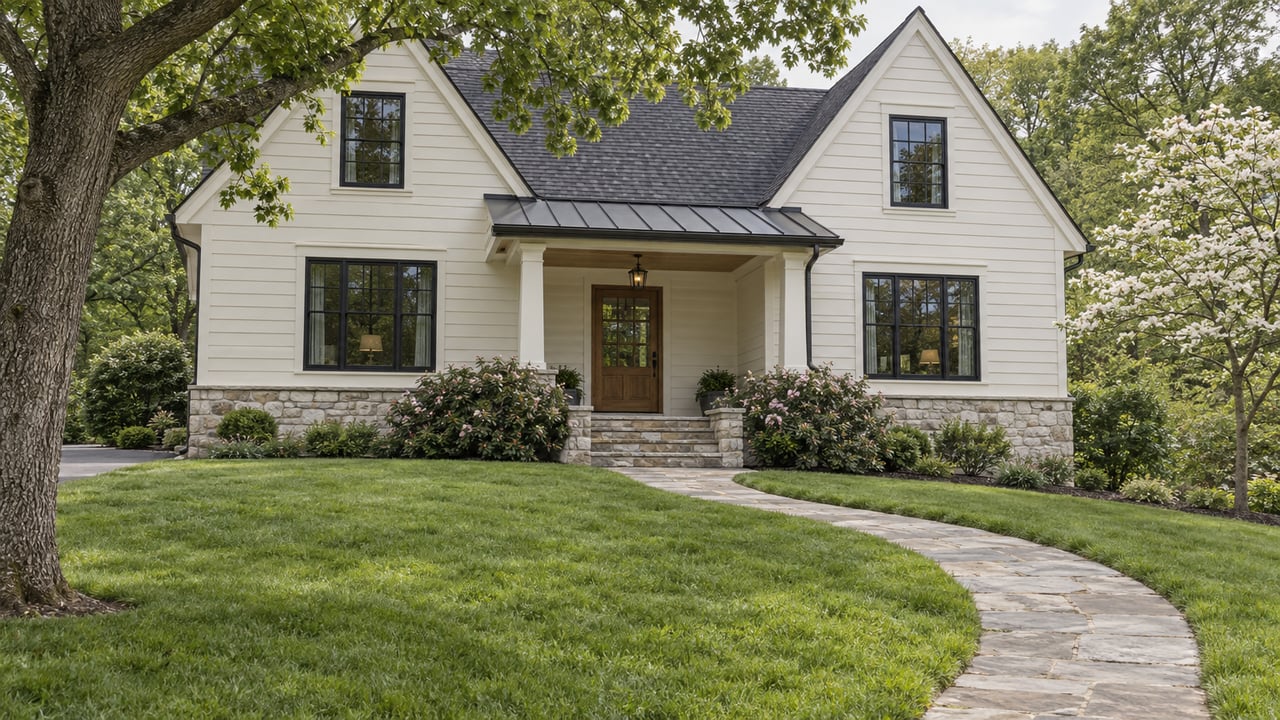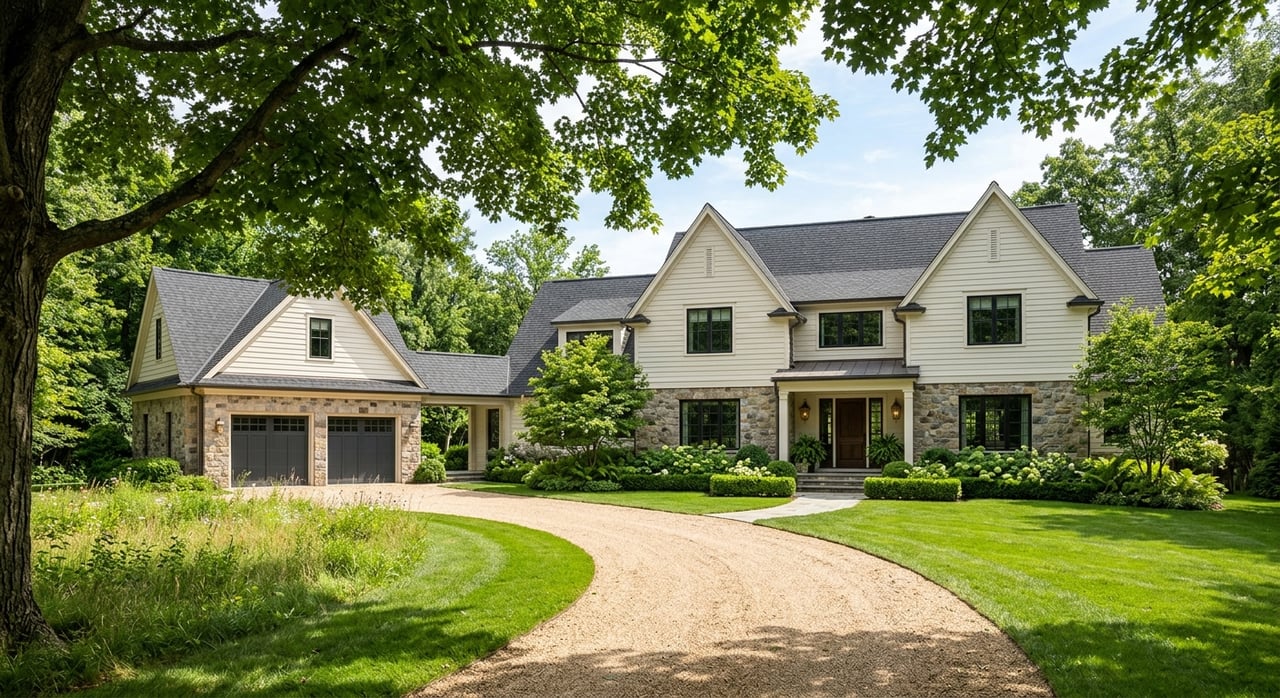
If you are dreaming about more space, more privacy, and a little more elbow room in the mountains, Fairview is easy to understand. Land and acreage here can mean anything from a manageable homesite to a much larger mountain tract with woods, pasture, and room to spread out. If you are thinking about buying in Fairview, this guide will help you understand what acreage living really looks like and what due diligence matters most before you close. Let’s dive in.
What Acreage Looks Like in Fairview
Fairview’s land market is broad, not one-size-fits-all. Buncombe County’s countywide average parcel size is just over 3 acres, and current Fairview listings show a wide range from about 0.69 acres to 25.79 acres. In practical terms, that means you may find everything from smaller residential lots to usable homestead-style parcels to large mountain tracts.
That variety matters when you start defining your goals. A smaller parcel may give you privacy and lower upkeep, while a mid-sized property may offer room for gardens, pets, or a workshop. Larger acreage can create a very different experience, with more separation, more terrain, and more moving parts to evaluate.
Why Buyers Like Fairview Acreage
Many Fairview acreage listings point to the same lifestyle features again and again. You will often see long-range views, wooded settings, creeks, pasture, fenced outdoor space, detached shops, and room for gardens or animals. Those details suggest that buyers here often want both privacy and land they can actually use.
That is part of Fairview’s appeal. You can enjoy a mountain setting without giving up the practical side of ownership. Some buyers want a quiet homesite with space between neighbors, while others want enough land for hobby gardening, outdoor projects, or a small homestead feel.
Understand the Land Before You Fall in Love
A beautiful setting is only one piece of the puzzle. In Fairview, the shape, slope, drainage, access, and utility setup of a property can affect what you can build, how you maintain it, and how much it may cost over time. That is why mountain acreage should always be looked at with both lifestyle and logistics in mind.
A property with open usable space may suit one buyer better than a heavily wooded parcel with steep terrain. A creek, hillside, or ridge view can be a major selling point, but each one may also require closer review during due diligence. The goal is not to avoid mountain land. It is to understand it clearly.
Wells and Septic Matter
In many Fairview acreage purchases, private wells and septic systems are a major part of the property picture. Buncombe County Environmental Health permits and inspects both septic systems and private drinking water wells. The county says land should be evaluated and a perc test completed before other permits are issued, and a building permit will not be issued until Authorization to Construct is issued for the septic system.
The county also says a well permit must accompany septic applications unless the property has access to a municipal, community, shared, or other public water supply. Applicants need the parcel PIN and plat when starting that process. For buyers, that makes early verification especially important if you are considering vacant land or a home with older infrastructure.
What to Request From Sellers
Before closing on acreage in Fairview, it is wise to ask for key records tied to the property’s water and septic setup. These details can help you understand both function and future maintenance.
- Septic permit records
- Pumping history, if available
- Location of the septic tank and drainfield
- Age of the system
- Current well water test results
North Carolina also has a statewide private well testing program for new private drinking water wells installed since 2008. Local health departments sample those wells and analyze them for a standard list of chemical constituents. Even so, a current water test before closing is still a smart step when you are buying a property that relies on a private well.
Ongoing Maintenance Expectations
Acreage living often comes with private system care. For septic systems, EPA guidance recommends inspections every 1 to 3 years and pumping the tank every 3 to 5 years, with more frequent service for complex or mechanically assisted systems. If you are new to rural property ownership, this is one of the biggest mindset shifts from in-town living.
Roads and Access Can Change Everything
One of the most important questions with mountain acreage is simple: how do you actually get to the property, and who maintains that route? Buncombe County says all roads in the county are maintained by either a municipality, the State of North Carolina, or are private roads. The county itself does not maintain roads.
That means road access is not a throwaway detail. If a road is private, you will want to know who is responsible for upkeep, whether there is a road maintenance agreement, and what the condition is like in different weather. A stunning parcel can feel very different if access is steep, narrow, or shared.
Why Private Road Details Matter
In subdivision review, Buncombe County requires special approval for certain private road and driveway situations. The county also requires clear statements that the state and county will not maintain private roads, along with financial responsibility documentation until maintenance is assigned to an HOA or another responsible party.
For you as a buyer, the real takeaway is practical. Ask whether the road is public or private, who pays for maintenance, and whether any written agreement exists. Those answers can affect both convenience and long-term ownership costs.
Surveys, Boundaries, and GIS
Online parcel maps are helpful, but they are not the final word on boundaries. Buncombe County Land Records says GIS data is not survey-grade and should not be used to locate lot lines or settle boundary disputes. If you need exact corners or want confidence about what you are buying, deeds, plats, and a professional survey are the better tools.
This matters even more on acreage. Fences, wooded edges, driveways, and natural features can make boundary lines feel obvious when they are not. If you are buying land for privacy, future building, gardening, or outbuildings, having a surveyor remark boundaries before closing can be a very smart move.
Terrain, Slope, and Floodplain Review
Mountain land is rarely flat, and that is part of its charm. It is also why terrain review should be high on your checklist. Buncombe County regulates development within the 100-year floodplain, including new structures, additions, grading, filling, and other man-made changes.
Hillside lots can also trigger erosion-control permitting for relatively small amounts of land disturbance. In some hillside subdivision situations, that threshold can be as little as one-quarter acre of disturbance. County GIS tools include slope calculations and floodplain overlays, which makes slope and drainage review especially useful during due diligence.
Questions to Ask About Terrain
When you are evaluating acreage in Fairview, these questions can help you get a clearer picture:
- Is any part of the property in a floodplain?
- How steep is the homesite or build area?
- Where does water drain during heavy rain?
- Will grading or site work likely be needed?
- Could hillside or erosion-control rules affect your plans?
These are not small details. They can shape where you build, how you place a driveway, and how much prep work may be needed before construction or expansion.
Zoning, HOA Rules, and Deed Restrictions
Acreage can feel wide open, but use rules still apply. Buncombe County says buyers must meet whichever setback rule is more stringent when both county zoning and private covenants apply. The county also states that it does not enforce private deed restrictions or covenants.
That means you should review county zoning, subdivision rules, and private restrictions separately. If you are thinking about animals, a detached shop, an outbuilding, or specific land uses, it is important to verify what is allowed before you buy. Assumptions can be costly on acreage.
Rural Living May Include Agricultural Neighbors
Part of Fairview’s appeal is its rural character, but that also means country living can come with active agricultural uses nearby. Buncombe County’s Farmland Preservation Program supports farm and forestland and recognizes working farms through its VAD and EVAD programs. The county notes that these properties have protections related to nuisance suits tied to farm noise, odor, dust, or slow-moving farm vehicles.
For buyers, that is not a red flag. It is simply part of understanding the area honestly. If you want land in Fairview, it helps to appreciate that rural scenery and agricultural activity often go together.
Fairview Acreage Can Fit Different Lifestyles
One reason Fairview appeals to so many buyers is that acreage here is flexible. Some properties offer just enough land for privacy and outdoor enjoyment. Others may support a mountain micro-farm feel, with fenced areas, pasture, a creek, gardening space, or a detached shop.
Current examples in the market reflect that range. Listings have included everything from a 3.85-acre double lot with mountain views and gardening space to a 25.79-acre private tract with pasture, a shop, and fenced areas for gardens or pets. That range gives you room to match the property to the life you want to live.
A Smart Due Diligence Checklist
If you are seriously considering land or acreage in Fairview, keep your questions practical and specific. A clear checklist can help you sort through the beauty and focus on what ownership will really involve.
- Where are the well and septic located?
- Is there a current well water test?
- Are septic permits and service records available?
- Is the road public or private?
- Who handles road maintenance?
- Is any part of the parcel in a floodplain?
- Are there slope, drainage, or erosion concerns?
- Are there HOA rules or deed restrictions?
- Do county zoning rules affect your plans?
- Should a surveyor remark the boundaries before closing?
When you ask these questions early, you can move forward with much more confidence. That is especially helpful if you are relocating to Western North Carolina or buying mountain property for the first time.
The Bottom Line on Fairview Acreage
Life on land in Fairview can be beautiful, practical, and deeply personal. You may find mountain views, wooded privacy, open pasture, creek frontage, or simply enough room to breathe. But the right property is not just about how it looks from the driveway. It is about how the land works for your goals and how well you understand the details behind it.
If you want guidance that is local, practical, and tailored to the way you actually plan to live, Joellen Maurer can help you evaluate Fairview acreage with confidence.
FAQs
What size acreage can you find in Fairview, North Carolina?
- Current Fairview listings show a wide range, from about 0.69 acres to 25.79 acres, while Buncombe County’s countywide average parcel size is just over 3 acres.
What should you check about wells and septic on Fairview acreage?
- You should request septic permit records, pumping history, the location and age of the tank and drainfield, and a current well water test before closing.
Are private roads common on acreage in Fairview?
- Some acreage properties may be served by private roads, so you should confirm whether the road is public or private, who maintains it, and whether a maintenance agreement exists.
Can Buncombe County GIS maps confirm Fairview property lines?
- No. Buncombe County says GIS data is not survey-grade, so deeds, plats, and a professional survey should be used for exact boundaries.
Why does slope and floodplain review matter for Fairview land?
- Buncombe County regulates development in the 100-year floodplain, and hillside conditions can affect grading, drainage, erosion control, and where you can build.
Do HOA rules override Buncombe County zoning on Fairview acreage?
- Buyers must meet whichever setback rule is more stringent, and you should review county zoning, subdivision rules, and private covenants separately.
What does rural living in Fairview include besides privacy and views?
- It can also include nearby agricultural activity, such as farm noise, odor, dust, and slow-moving farm vehicles, which are part of the area’s rural character.