Wondering whether a condo, townhome, or house makes the most sense in Asheville? You are not alone. Many buyers moving to Buncombe County, buying a second home, or simply trying to simplify their lifestyle find themselves choosing between convenience, privacy, flexibility, and monthly cost. The good news is that the right choice usually becomes clearer once you know how each property type works in North Carolina and how Asheville’s local rules can affect your plans. Let’s dive in.
Start With How You Live
Before you compare square footage or finishes, think about your daily routine. Do you want a lock-and-leave home for weekend trips to the mountains? Do you want a yard for gardening, pets, or outdoor entertaining? Do you need room to grow, space for guests, or future rental flexibility?
In Asheville, the best property type is often the one that fits your lifestyle first and your budget second. A lower purchase price can look appealing at first, but monthly dues, maintenance, insurance responsibilities, and tax differences can change the full cost of ownership.
How Condos, Townhomes, and Houses Differ
Condos in Asheville
In North Carolina, a condominium is a form of real estate where some parts are individually owned and the rest is held in common ownership. When there is more than one unit owner, each unit is treated as a separate parcel for taxation. In practical terms, that usually means your unit is yours, while shared areas are maintained by the association.
For many Asheville buyers, a condo offers the simplest day-to-day ownership. Exterior upkeep and shared-area maintenance are often handled by the association, which can be a big plus if you want a second home or lower-maintenance lifestyle. The tradeoff is that condos usually come with more rules, dues, and shared decision-making than a detached house.
Townhomes in Asheville
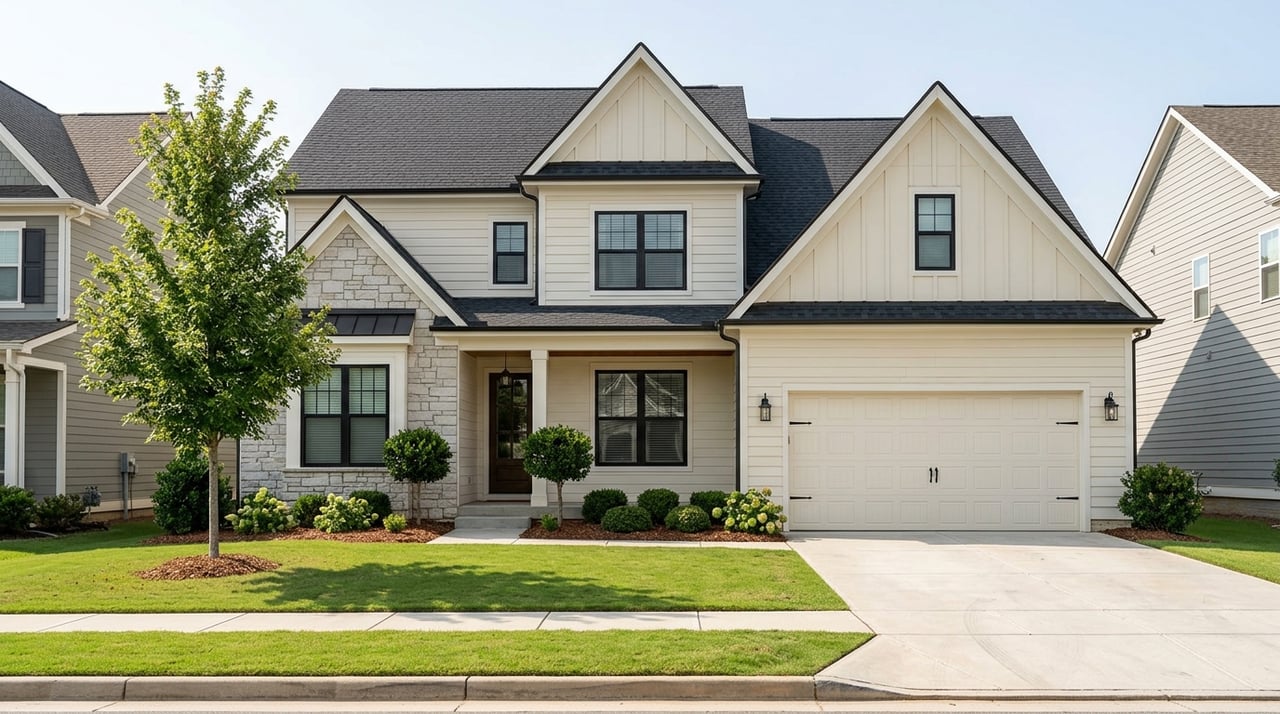
Townhomes are often part of planned communities with declarations, bylaws, and HOA rules. Asheville’s Missing Middle study describes townhomes as house-scale housing that can fit within neighborhood context. In many cases, the association handles common elements, while the owner is responsible for the lot and the improvements on it.
That makes a townhome a middle-ground option. You may get more independence and more private outdoor space than a condo, while still avoiding some of the maintenance demands of a detached house. For many buyers, that balance is exactly the appeal.
Single-Family Houses in Asheville
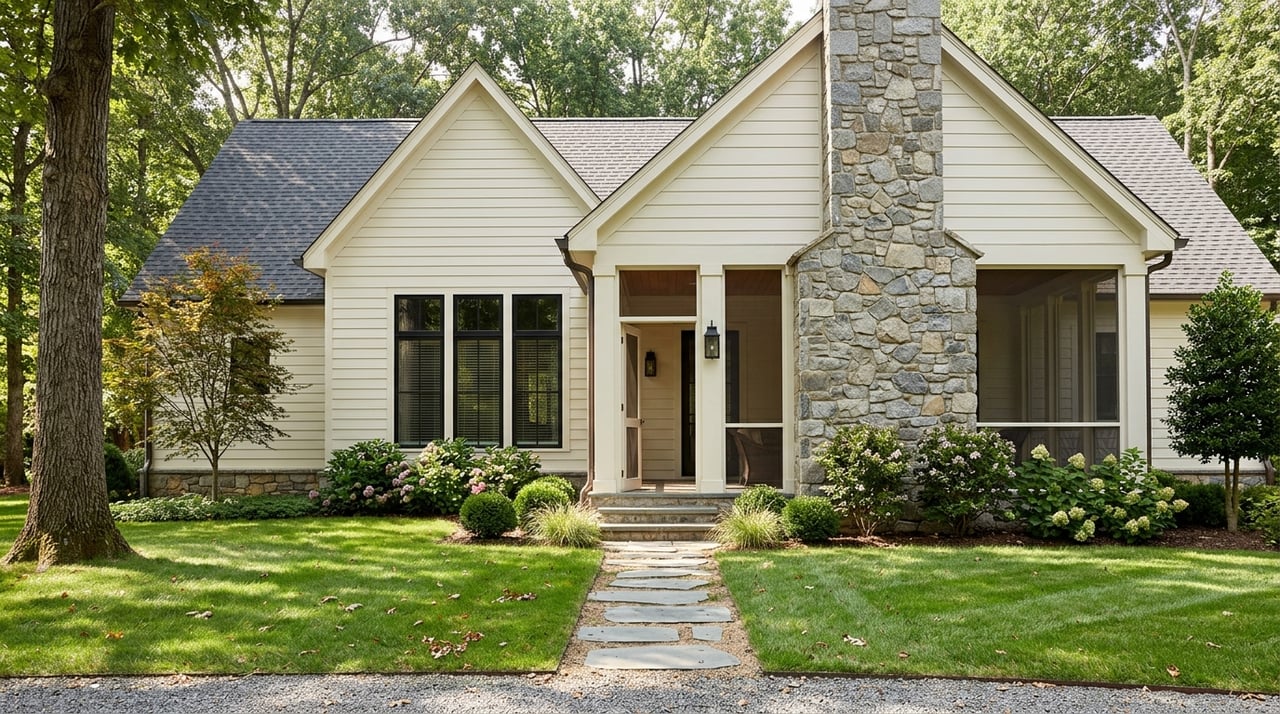
A detached house usually gives you the most direct control over the lot and improvements. In North Carolina planned communities, lot owners are generally responsible for maintaining and repairing the lot and any improvements on it. Even when a house is in an HOA, it is often the most independent option of the three.
A house can also offer more flexibility over time. In Asheville, a single-family lot in a residential zone can usually support one accessory dwelling unit, or ADU, but private covenants can still prohibit it. If you are thinking ahead about guest space, long-term rental potential, or room for family, that can matter.
Compare the Trade-Offs That Matter Most
Maintenance and Upkeep
If low-maintenance living is your top priority, condos usually come out ahead. Because associations maintain common elements, you may have less exterior work to think about on a regular basis. That can be especially attractive if you split time between Asheville and another home.
Townhomes usually sit in the middle. You often get some maintenance support through the community, but you may still be responsible for more of the property than you would be in a condo. A detached house usually places the most maintenance responsibility on you.
Privacy and Personal Space
Privacy often increases as you move from condo to townhome to detached house. Condos typically have the most shared elements and often include shared walls or common circulation areas. Townhomes usually offer more separation, while detached homes usually provide the most private setting.
That said, layout and location still matter. A thoughtfully placed townhome may feel quieter than a condo in a busier building, and a house in a tightly built neighborhood may feel less private than you expect. It helps to think beyond the property label and look at the actual setting.
Outdoor Space
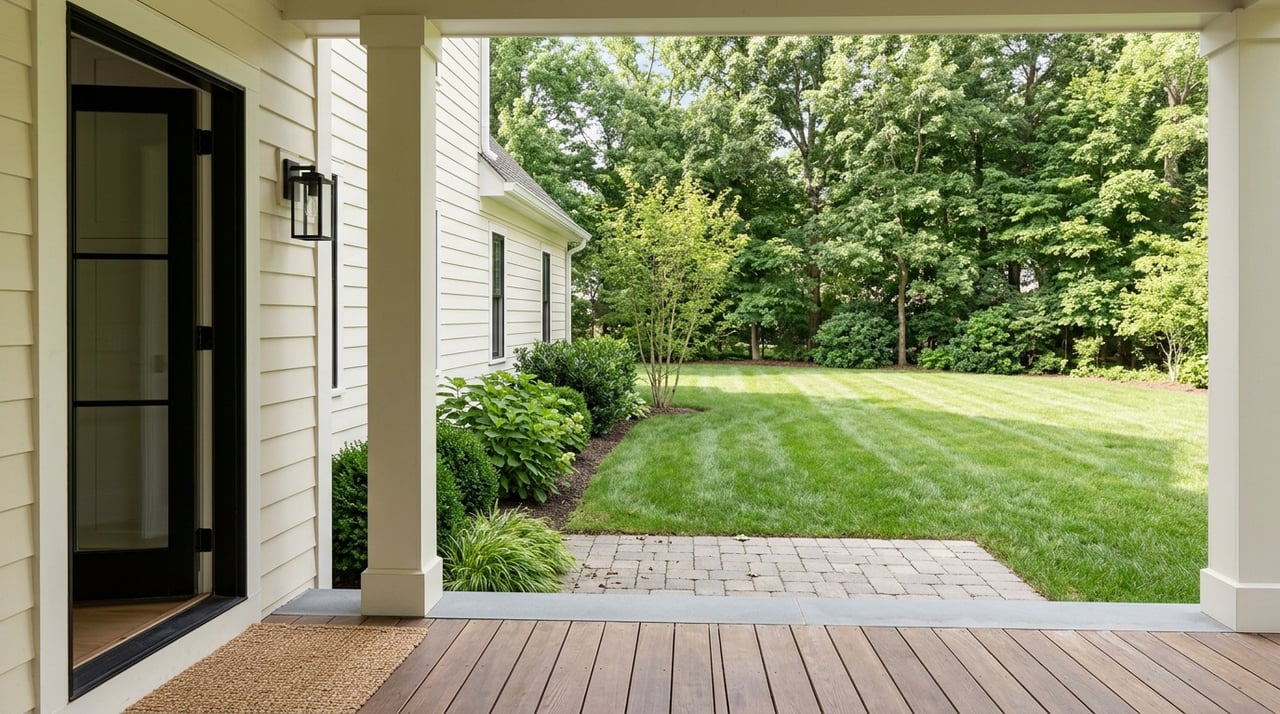
If you want a garden, room for pets, or outdoor entertaining space, lot ownership becomes a big factor. Detached houses usually offer the most exclusive outdoor space. Townhomes may offer a smaller yard, patio, or deck, while condos often provide the least private outdoor area.
In Asheville, outdoor living is a major part of the appeal for many buyers. If you picture morning coffee on a deck, container gardening, or more room to spread out, make sure you compare what outdoor space is truly private versus shared.
Amenities and Shared Services
Condo communities and some townhome communities may bundle services or amenities into your dues. North Carolina’s disclosure form specifically asks sellers to list association-paid services and amenities. Those can add convenience, but they can also raise your monthly ownership costs.
This is where you want to look past the headline number. A community with higher dues may include services that reduce your maintenance burden, while a lower-dues property may leave more costs in your hands. Neither is automatically better. It depends on what kind of ownership experience you want.
Total Cost of Ownership
Smaller units often have a lower entry price, and Asheville’s planning study notes that smaller units tend to be less expensive. Still, the cheapest purchase price is not always the cheapest home to own. Dues, assessments, insurance obligations, and tax differences can all shift the equation.
Buncombe County property taxes are based on assessed value, and the county reappraises every four years. Tax bills can also include city, school, and fire-district charges depending on where the parcel is located. That means two Asheville-area homes with similar list prices can carry different annual tax bills.
Asheville Factors That Can Change Your Choice
Terrain and Housing Supply
Asheville’s Missing Middle study notes that current regulations still favor single-family housing more than missing-middle types like townhomes and similar homes. The study also notes that the area’s mountainous terrain can raise construction costs and reduce feasibility. In simple terms, supply and pricing can be shaped by local land and development realities.
For you as a buyer, that means it is smart to stay flexible. If you are focused on a certain lifestyle rather than a single property label, you may find more options and better value.
Short-Term Rental Rules
If rental potential is part of your plan, Asheville’s short-term rental rules deserve close attention. The city says a homestay requires the owner to live on-site full-time, allows only one or two bedrooms, and must be for stays under 30 days. Whole-home short-term vacation rentals are only allowed in the Resort Zoning District.
This is especially important for second-home and investor buyers. A condo, townhome, or house may look promising on paper, but local zoning and community rules can sharply limit what you can actually do with it.
ADU Flexibility
If you want more long-term flexibility, a detached home may have an edge. Asheville says ADUs are generally allowed only on residential lots with a single-family house. Still, the city permit does not override private covenants, so HOA rules and deed restrictions still matter.
For some buyers, that possibility makes a house more attractive. It can create options for guest space, multigenerational living, or future long-term rental use, even if you do not plan to act on it right away.
What to Review Before You Decide
Read the Association Documents
If you are considering a condo or townhome, ask for the declaration, bylaws, budget, dues, reserves, transfer fees, special assessments, amenity list, and any pending litigation. North Carolina’s disclosure form for properties governed by associations specifically flags dues, assessments, lawsuits, and services or amenities paid from dues.
This step matters more than many buyers expect. The monthly fee alone does not tell you whether a community is financially healthy or whether future costs may be coming.
Understand Rules and Enforcement
In North Carolina, HOAs are governed by a mix of state statutes and their own community documents. The Legislative Library notes that HOAs are not regulated by any state or federal government office. That means the declaration and bylaws are often your best guide to how the community actually operates.
If a rule matters to you, do not rely on assumptions. Parking, pets, leasing, exterior changes, and use restrictions can vary widely from one community to the next.
Clarify Insurance and Maintenance Boundaries
One of the most important questions is also one of the easiest to miss: what does the association maintain, and what are you responsible for? In condos and planned communities, the association maintains common elements, but owner responsibilities still differ by community.
That split can affect your real monthly cost more than the HOA fee itself. It can also change how much time, money, and effort you will spend maintaining the property over the years.
A Simple Way to Choose
Condo May Fit You Best If
- You want a lock-and-leave home in Asheville
- You prefer less day-to-day exterior maintenance
- You are comfortable with HOA dues and shared rules
- You value convenience over maximum privacy or yard space
Townhome May Fit You Best If
- You want a balance between convenience and independence
- You would like more privacy than a condo usually offers
- You want some outdoor space without full house maintenance
- You are open to HOA living but want more control than a condo often provides
House May Fit You Best If
- You want the most privacy and outdoor space
- You prefer direct control over your property
- You may want future flexibility for an ADU
- You are comfortable handling more maintenance and repair responsibilities
The Best Asheville Choice Is Personal
There is no one-size-fits-all answer in Asheville. A condo may be perfect for a second-home buyer who wants easy ownership near downtown. A townhome may suit a relocating buyer who wants a manageable home with a little more room to spread out. A house may be the right long-term move if privacy, outdoor living, or flexibility matter most.
The key is to compare more than price. When you weigh maintenance, privacy, outdoor space, rules, taxes, and future use, your best option usually becomes much easier to spot.
If you want help comparing Asheville condos, townhomes, and houses based on your goals, local lifestyle, and long-term plans, connect with Joellen Maurer for thoughtful, hyperlocal guidance.
FAQs
What is the main difference between a condo and a townhome in Asheville?
- A condo usually means you own your unit while shared areas are maintained by the association, while a townhome often gives you more direct responsibility for the lot and improvements along with HOA governance.
Are HOA fees in Asheville condos and townhomes worth it?
- HOA fees can be worth it if the services, maintenance, or amenities match your lifestyle, but you should review what is covered, whether there are reserves, and whether special assessments or litigation exist.
Can you use an Asheville condo or house as a short-term rental?
- It depends on Asheville zoning and community rules, because homestays require the owner to live on-site full-time and whole-home short-term vacation rentals are only allowed in the Resort Zoning District.
Does a single-family house in Asheville offer more flexibility than a condo?
- Often yes, because a detached house usually gives you more control over the lot and may allow one ADU on a residential lot, though private covenants and HOA rules can still limit that use.
What should Asheville buyers review before buying in an HOA community?
- You should review the declaration, bylaws, budget, dues, reserves, transfer fees, special assessments, amenity list, and any pending litigation so you understand both the costs and the rules.