Wondering what people really mean when they call a home "Craftsman" in Asheville? You are not alone. In this market, that label can describe anything from a classic bungalow with built-ins and a deep front porch to a larger early-20th-century home with Craftsman details mixed into other architectural influences. If you are hoping to buy a home with real character, this guide will help you spot the key features, understand why the style fits Asheville so well, and know what to check before you make an offer. Let’s dive in.
Why Craftsman Homes Matter in Asheville
Asheville’s Craftsman and Arts & Crafts homes reflect more than a popular design style. They are part of a broader movement from the late 19th and early 20th centuries that pushed back against mass production and placed value on craftsmanship, simplicity, and natural materials.
That history lines up closely with Asheville’s own growth. The city expanded during the peak of the Arts & Crafts era, and local design influences helped shape a distinctly Asheville version of the style. In particular, the Grove Park area is described by the City of Asheville as having an English Derived Craftsman character rooted in the Arts & Crafts movement.
This style also feels at home here because Asheville has a strong handmade tradition. The region’s craft culture, including Biltmore Industries, the Southern Highland Craft Guild, and the Craft Fair of the Southern Highlands, helps keep craft-centered design visible and appreciated today.
How to Spot Craftsman Features
If you are touring homes in Asheville, there are a few details that can quickly help you tell whether a property is a strong Craftsman or Arts & Crafts candidate.
Look at the roof and porch
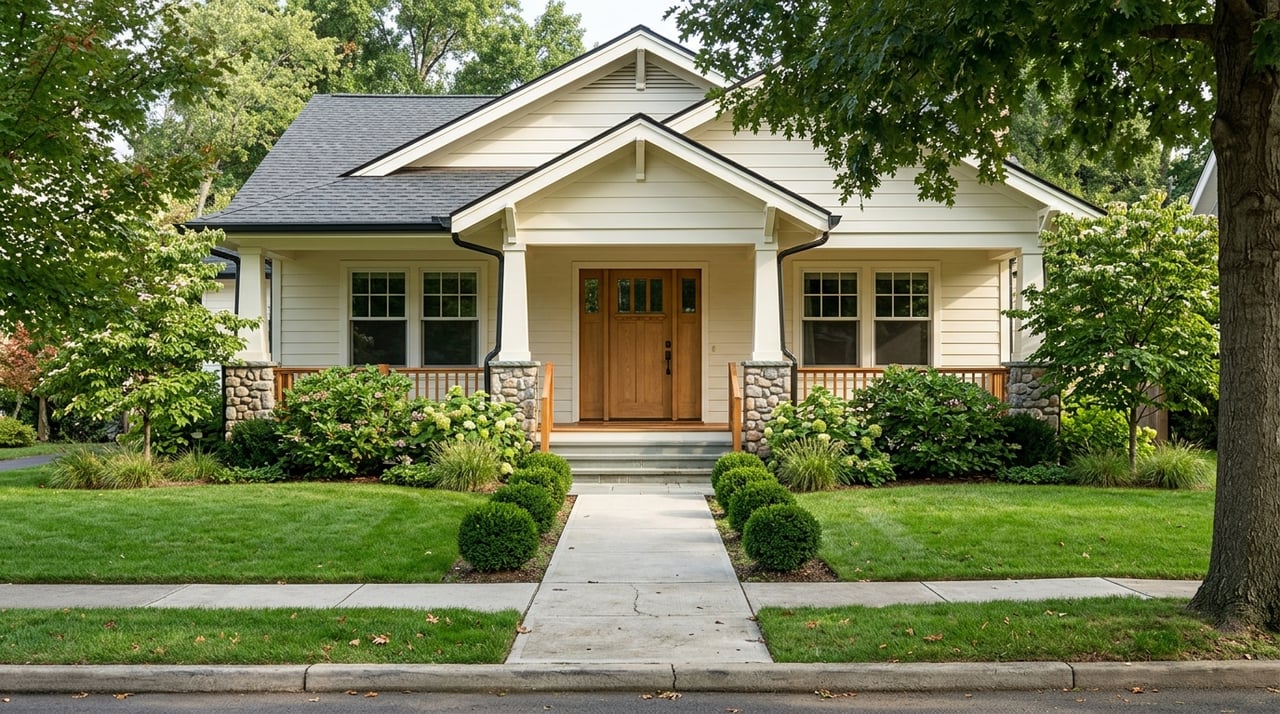
Many Craftsman homes have low or gently pitched roofs with broad overhangs. You may also notice exposed rafters or visible brackets under the eaves, which add to the handcrafted look.
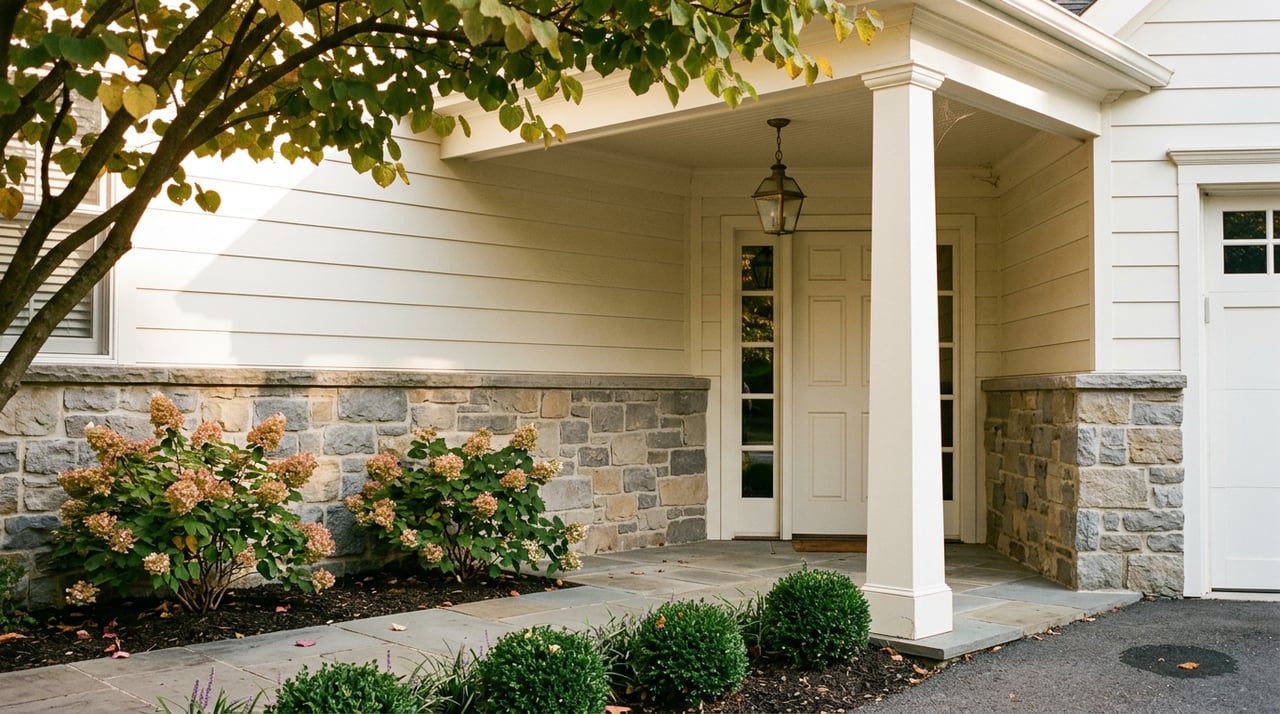
The front porch is often one of the biggest clues. Look for prominent porches with sturdy, tapered supports set on masonry piers. These features create the grounded, welcoming feel that many buyers love.
Notice the materials
Craftsman and Arts & Crafts homes often use a mix of wood, brick, stone, or stucco. In Asheville, that natural-material palette fits especially well with the mountain setting and older in-town streetscapes.
You may also see cottage forms that carry Arts & Crafts influence. Biltmore Village, for example, includes a historic cottage district with circa-1900 pebbledash cottages, showing that the local style vocabulary extends beyond the standard bungalow image.
Check the interior character
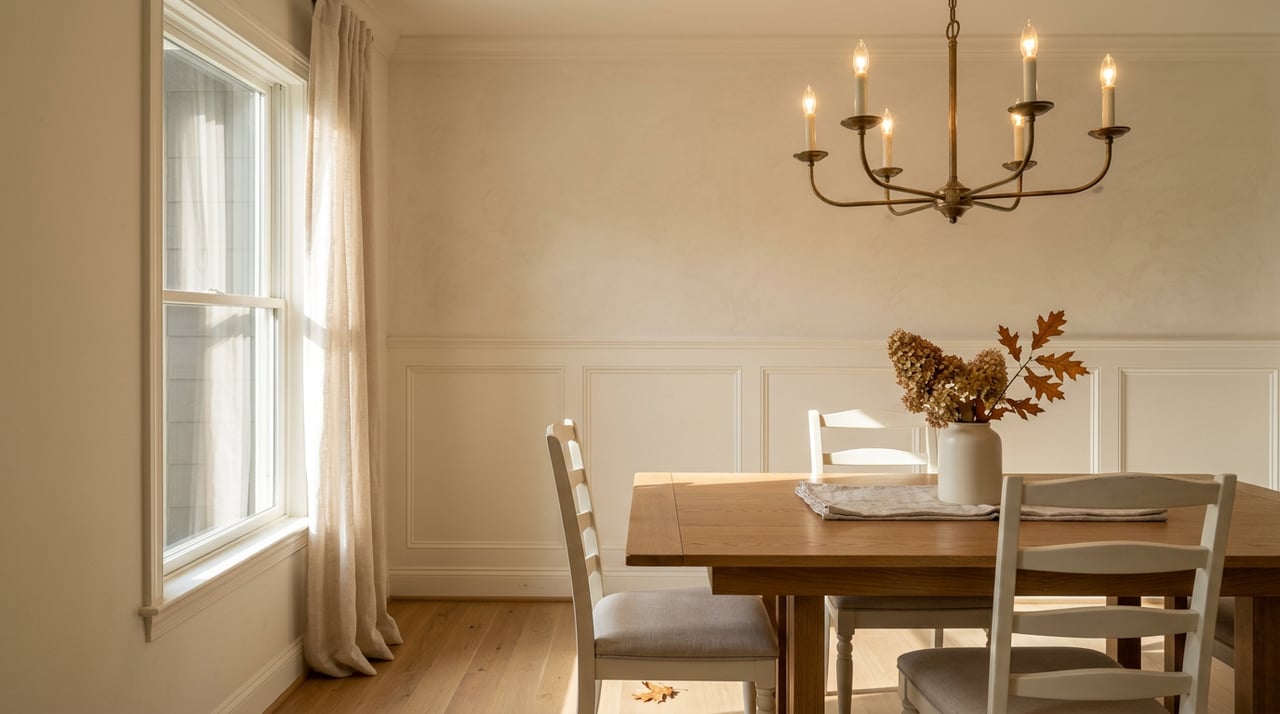
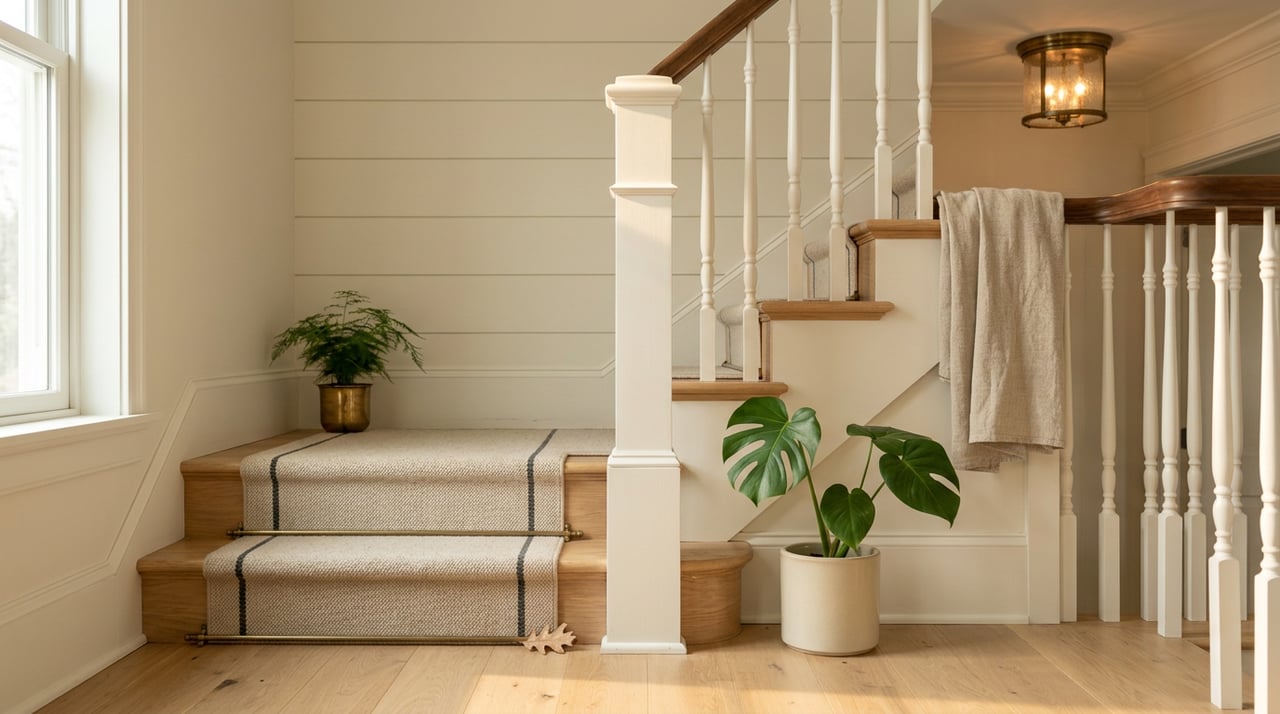
Inside, these homes often focus on comfort and function rather than formality. Common features include open or semi-open living and dining areas, stained wood trim, built-in bookcases or cabinets, and a fireplace-centered living space.
For many buyers, those details are the biggest draw. They create a sense of warmth and craftsmanship that can feel very different from newer construction.
Asheville Craftsman Is Not One-Size-Fits-All
One of the most important things to know is that Asheville does not always offer a textbook version of Craftsman architecture. Local listings may use the term broadly, and many homes blend Craftsman details with Colonial Revival, English cottage, Shingle, Tudor Revival, or bungalow elements.
That means you should think of the style as a range, not a rigid category. In Asheville, Craftsman can describe modest one-story or one-and-a-half-story bungalows, cottage forms, or larger historic homes with layered early-20th-century influences.
When a home is Craftsman-influenced
If a house has the right roofline, broad eaves, porch supports, natural materials, and interior millwork, it may clearly lean Craftsman. But if the home is larger, more eclectic, or combines multiple revival styles, it may be more accurate to think of it as Craftsman-influenced.
That distinction matters mostly for your expectations. You may still get the charm and detail you want, even if the home is not a pure example of the style.
Where You Often See These Homes
Certain Asheville areas are especially associated with Craftsman and Arts & Crafts character.
Grove Park and Sunset Mountain
Grove Park and Sunset Mountain are among the strongest local examples. The area was planned with curving streets, parks, trees, and a streetcar-suburb pattern instead of a strict grid, giving it a layered early-suburban feel that pairs naturally with Arts & Crafts design.
If you are drawn to homes that feel tied to Asheville’s historic development, this area often stands out. The neighborhood pattern and architecture work together to create a distinct sense of place.
Montford
Montford is one of Asheville’s oldest historic neighborhoods and contains an especially wide mix of architecture. Alongside Queen Anne, Shingle, Colonial Revival, and other styles, you will also find bungalows and Craftsman-influenced homes.
For buyers, that variety can be a plus. It means you may find Craftsman details in several different home types rather than in one narrow architectural lane.
Biltmore Village
Biltmore Village remains a locally designated historic district, and its cottage districts are part of Asheville’s historic fabric. This area is a useful reminder that local Arts & Crafts style includes cottage forms as well as more familiar bungalow shapes.
If you love historic character, Biltmore Village adds another layer to your search. It shows how Asheville’s version of Arts & Crafts architecture is tied to local history and preservation, not just curb appeal.
What Buyers Should Check Before Buying
A beautiful porch and original woodwork can be exciting, but older homes need a closer look. When you shop for a Craftsman or Arts & Crafts home in Asheville, it helps to balance style with practical due diligence.
Confirm historic district status
Before planning any exterior updates, verify whether the home is in a local historic district or local landmark district. In Asheville, the Historic Resources Commission reviews work in local historic districts and local landmarks and issues Certificates of Appropriateness after approval.
This is different from National Register status alone. A National Register district does not automatically mean design review applies unless the property also overlaps a local district.
Understand what work may need approval
According to the City of Asheville, minor work can include roof replacement, mechanical equipment, rear-yard fences, and tree removal. Major work typically includes new construction, additions, and substantial landscape changes.
If you are considering a home because you want to add on quickly or make major exterior changes, this step matters early. It can affect your timeline, design choices, and renovation budget.
Focus your inspection on key features
For these homes, some of the most important inspection questions often involve the original porch, roof, windows, trim, masonry piers, and chimney. It is also smart to look closely at any later additions to see whether they respect the scale and materials of the original house.
These features are not just cosmetic. They are often central to the home’s character and can be more costly or complex to repair correctly.
Plan for maintenance
Craftsman and Arts & Crafts homes often rely heavily on wood, masonry, and exposed exterior details. That usually means they reward owners who are comfortable budgeting for periodic upkeep rather than expecting a low-maintenance new-build experience.
For many buyers, the tradeoff is worth it. You get architectural character and a sense of place, but you also need to plan for long-term care.
Historic Incentives to Know About
Some Asheville properties may potentially qualify for historic preservation tax credits for rehabilitation work. The City of Asheville notes that contributing properties in National Register districts, or individually listed properties, may be eligible.
This is worth exploring if you are buying a home that needs meaningful rehab. It does not replace the need for careful budgeting, but it can be part of the bigger financial picture.
Is This Style Right for You?
Craftsman and Arts & Crafts homes tend to appeal to buyers who want character, porches, human-scale rooms, and older in-town Asheville neighborhoods. They can be a strong fit if you value original details and want a home that feels connected to the city’s history.
They may also work well for relocating buyers or second-home buyers who want something distinctive, as long as you are comfortable with more maintenance and more planning around exterior changes than you might face with newer construction.
A quick way to think about it is this: if you love built-ins, stained wood, broad porches, fireplaces, and homes that feel handmade rather than mass-produced, this style may be a great match.
A Smart Search Strategy in Asheville
When you are house hunting, it helps to look past the listing label. Instead of asking only whether a home is called Craftsman, ask whether it has the features, condition, and location that fit your goals.
A strong search strategy includes:
- Looking for low rooflines, broad eaves, and prominent porches
- Noting tapered porch supports and masonry piers
- Checking for built-ins, stained wood trim, and fireplace-centered living spaces
- Asking whether the home is in a local historic district or landmark district
- Reviewing any past additions or exterior changes carefully
- Budgeting realistically for maintenance of wood and masonry features
That approach gives you a clearer picture of what you are really buying. In Asheville, style, history, and location often overlap in ways that make those questions especially important.
If you are considering a Craftsman or Arts & Crafts home in Asheville, local guidance can make a big difference. Joellen Maurer can help you evaluate neighborhood fit, historic-district considerations, and the practical side of buying a home with lasting character.
FAQs
What defines a Craftsman home in Asheville?
- In Asheville, a Craftsman home often has a low-pitched roof, broad eaves, a prominent front porch, tapered supports on masonry piers, natural materials, and interior details like built-ins, stained wood trim, and a fireplace-centered living space.
What Asheville neighborhoods have Craftsman or Arts & Crafts homes?
- Grove Park/Sunset Mountain, Montford, and Biltmore Village are among the best-known Asheville areas where you may see strong Craftsman or Arts & Crafts character.
What should buyers check before buying a historic Asheville Craftsman home?
- Buyers should confirm whether the home is in a local historic district or landmark district, review possible approval requirements for exterior work, and pay close attention to the porch, roof, windows, trim, masonry piers, chimney, and any later additions.
Do Asheville Craftsman homes always follow one design formula?
- No. In Asheville, many homes blend Craftsman details with other early-20th-century styles, so it is often more accurate to think of Craftsman as a range of influences rather than one exact formula.
Can Asheville historic homes qualify for preservation tax credits?
- Some contributing properties in National Register districts, or individually listed properties, may potentially qualify for historic preservation tax credits for rehabilitation work.
Are Asheville Craftsman homes higher maintenance than newer homes?
- They often can be, because the style typically includes wood, masonry, and exposed exterior details that benefit from periodic upkeep and thoughtful long-term maintenance.