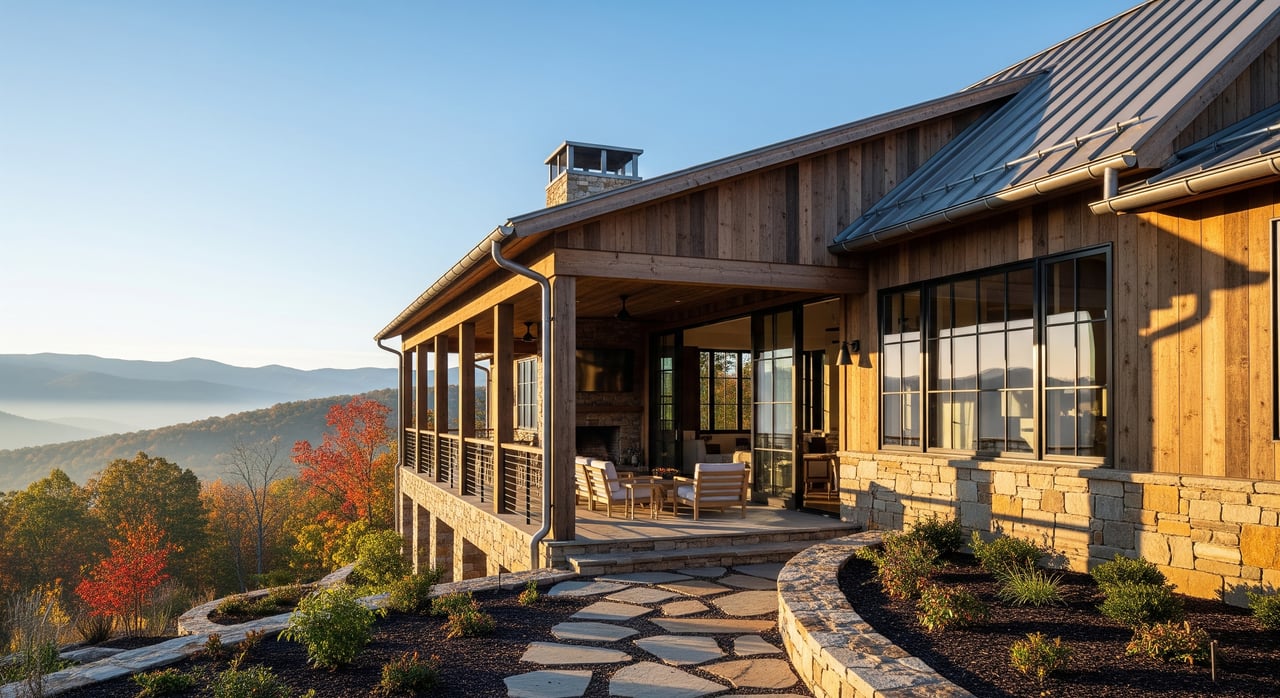
What if your day started with mountain views, a stroll to a local bakery, and trail time before dinner? If you are looking for a small-town feel with easy access to Asheville, Black Mountain could be a great fit. In this guide, you will learn what daily life feels like, how the town is laid out, the types of homes you will find, and smart tips for buying in the mountains. Let’s dive in.
Black Mountain at a glance
Black Mountain sits in Buncombe County in Western North Carolina’s Blue Ridge foothills. It is a distinct small town that is part of the greater Asheville area, about a 20 to 30 minute drive to downtown Asheville depending on traffic and route. The setting is wooded and hilly, with ridgelines, small streams, and a downtown that feels like a true village center.
You will meet a mix of long-time residents, retirees, artists, outdoor lovers, second-home owners, and remote workers. The town stays relaxed and friendly while benefiting from Asheville’s larger amenities just down the road.
Four-season mountain climate
You get four true seasons here. Summers tend to be cooler than lower-elevation parts of North Carolina, autumn brings crisp air and colorful leaves, and winter can deliver occasional snow. Spring through fall is the busiest time for visitors, which brings energy to downtown shops and events.
Downtown walkability and daily life
Downtown Black Mountain is compact and easy to explore on foot. Short blocks, sidewalks, and a cluster of cafés, galleries, and independent shops make it simple to park once and wander. It is the social and commercial heart of the community.
Coffee, eats, and local shopping
You will find coffee shops, bakeries, craft breweries, and chef-driven spots mixed with local boutiques and artisan galleries. A seasonal farmers market and pop-up events add to the small-town rhythm. It is a nice blend of everyday convenience and weekend fun.
Arts, culture, and events
For a small town, the arts scene is active. Look for gallery happenings, live music, and seasonal festivals or markets. Nearby Montreat adds lectures, concerts, and college programming. Event names and dates change each year, so check the town or chamber calendars when you plan.
Outdoor recreation nearby
If you love the outdoors, access is a major perk. Local parks, nearby trailheads, rivers and creeks, and scenic drives are easy day outings. The Blue Ridge Parkway and Pisgah National Forest are within reach for hiking, biking, and leaf-looking season.
Day trips and bigger destinations
You can plan a day hike to higher-elevation spots like Mount Mitchell when conditions allow. Many residents mix quick neighborhood walks with weekend adventures deeper into the national forest. The variety keeps outdoor time fresh through all four seasons.
Schools, healthcare, and services
Public schools are administered by Buncombe County Schools. Always confirm assignments, bus routes, and performance with the district and state report cards. Montreat College, just next door, adds a small-college presence and cultural events to the area.
Primary care and urgent care options are available in and around town. For hospital-level care and specialties, you will head into Asheville. Daily needs are covered with local groceries, pharmacies, banks, and professional services. Larger retail and big-box shopping sit along Asheville corridors.
Homes and neighborhoods
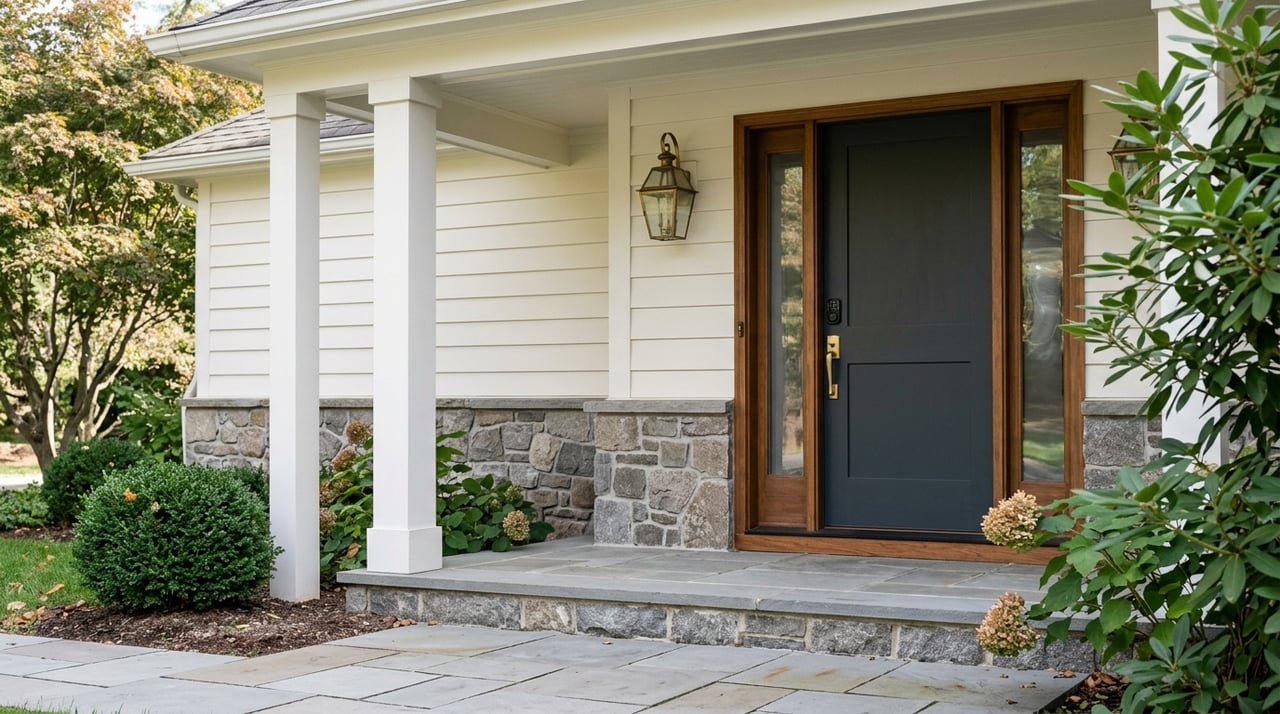
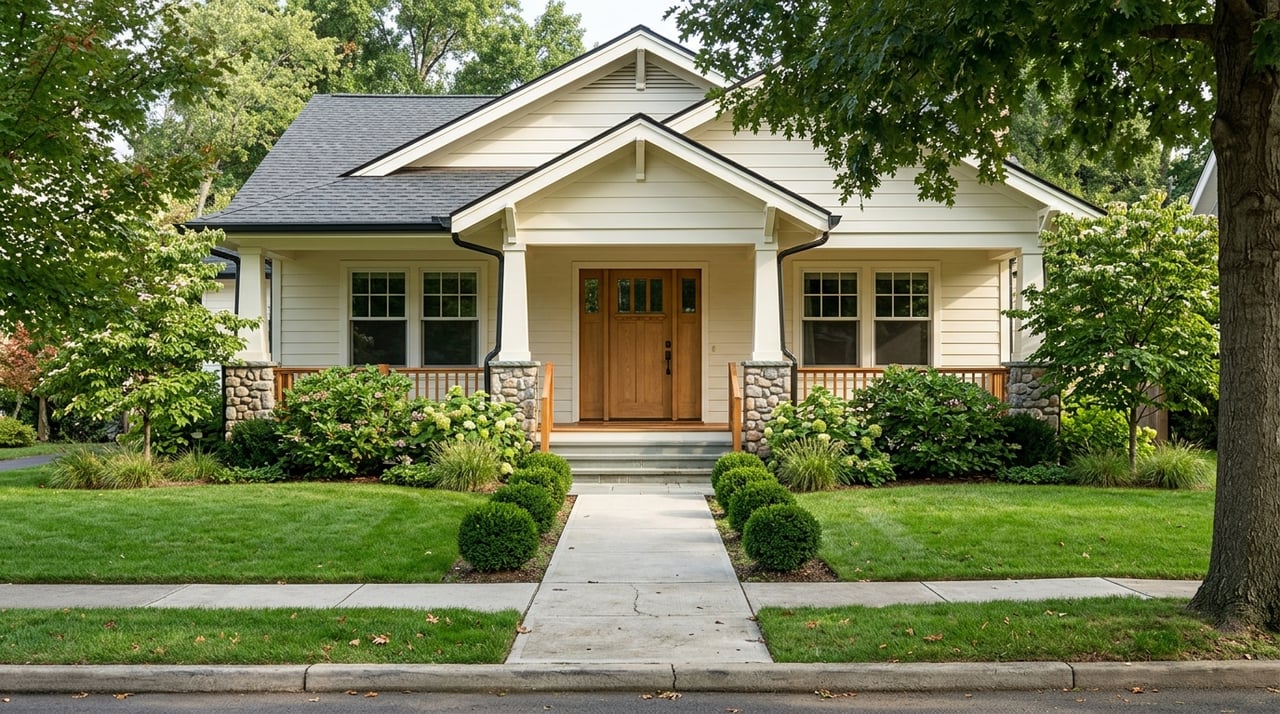
Black Mountain’s housing stock is diverse. In and around downtown, you will see early to mid-20th century cottages and Craftsman bungalows, along with some small Victorian-era homes. On the edges of town, you will find newer subdivisions and in-fill builds. In the surrounding foothills, cabins and mountain-style homes sit on larger parcels with wooded privacy.
In-town historic cottages
If you want a walk-to-downtown lifestyle, the historic core is your target. Expect smaller lots, older homes with character, and traditional streetscapes. Proximity to downtown and historic charm often command a premium.
Newer subdivisions and in-fill
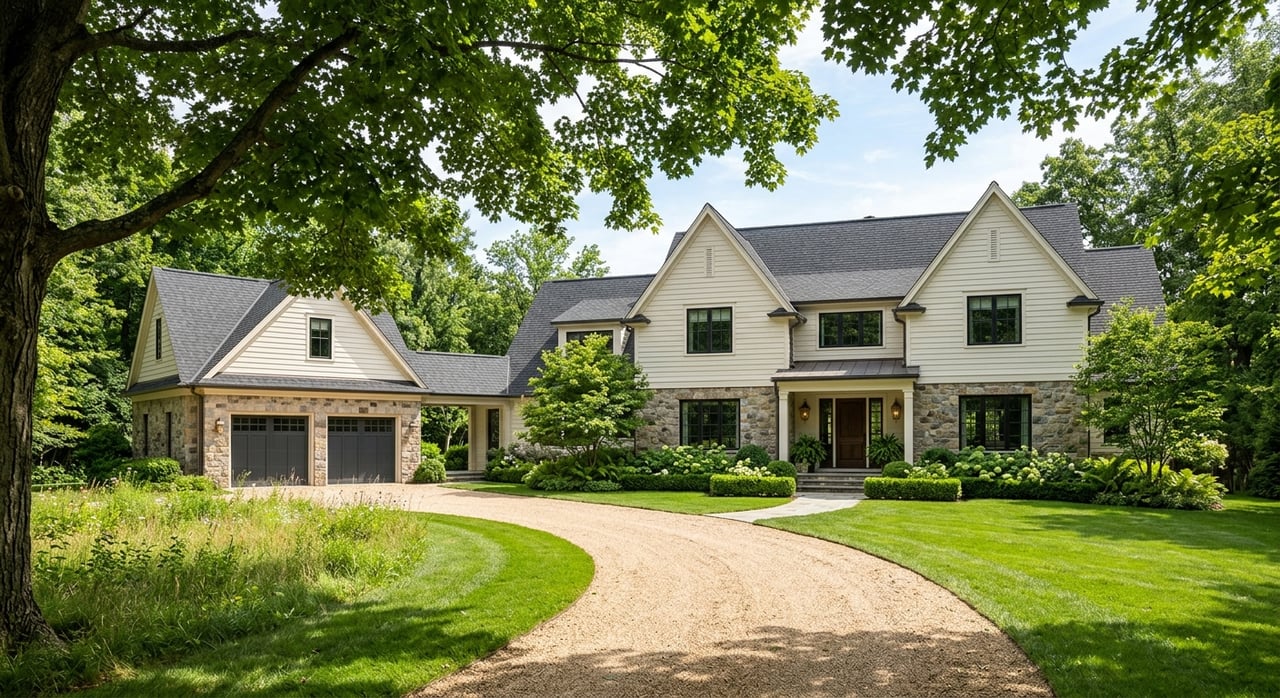
If you prefer a modern floorplan, look at outlying residential neighborhoods. You will find standard suburban lot sizes, newer construction, and easier road access. These areas suit buyers who want a newer home feel while keeping close to town.
Rural parcels and cabins
For privacy and views, the rural approaches are appealing. Lots tend to be larger, often wooded, and sometimes steep. Cabin and log-style homes are common. Slope and driveway grades can shape daily life and maintenance, so plan your due diligence.
Market overview and buyer profiles
Black Mountain attracts primary residents, retirees, second-home buyers, and investors. Prices vary widely by location, lot size, condition, and views. Downtown proximity and historic character often come at a premium, while rural acreage or homes needing updates may offer lower entry points.
Short-term rental demand can be strong thanks to tourism, but rules and profitability vary. Always confirm local ordinances, registration, taxes, and any neighborhood restrictions before counting on rental income.
Buying in the mountains: practical tips
Mountain properties can involve extra checks. A thoughtful plan will keep you confident through inspections and closing.
Zoning, permits, and STR rules
- Verify town zoning and any historic-preservation guidelines before you renovate or build.
- Confirm short-term rental policies, permits, and occupancy taxes if you plan to host.
- Review HOA or neighborhood covenants for use restrictions.
- Check with the Town of Black Mountain Planning and Inspections and Buncombe County for permits and processes.
Utilities and access
- Confirm whether a property is on municipal water and sewer or well and septic.
- If on well and septic, schedule water testing and a full septic inspection.
- Check availability of natural gas or plan for propane service.
- Understand road maintenance responsibilities for private drives and shared roads.
- Consider winter access on steep or shaded drives and the need for all-wheel drive at times.
Site conditions and inspections
- Evaluate slope, soils, and drainage; ask about a geotechnical review for steep sites.
- Determine flood exposure near rivers or creeks and insurance implications.
- Assess wildfire awareness and defensible space on heavily wooded parcels.
- Order a thorough home inspection that includes roof, foundation, systems, and outbuildings.
Taxes and ownership costs
- Review current Buncombe County property tax rates and any town levies.
- Request insurance quotes that reflect site-specific risks.
- Compare utility options and typical costs based on location and fuel type.
Getting around
Black Mountain is served by local roads and regional highways, including quick access to I-40. Many residents report a 20 to 30 minute commute to downtown Asheville depending on start and end points and traffic. Seasonal visitor traffic can affect peak times. Public transit is limited in small towns, so verify current regional services if a bus commute matters to you.
Is Black Mountain right for you
Use this quick checklist to see how Black Mountain matches your goals.
- You want a walkable, small-town center with cafés, galleries, and community events.
- You want outdoor access to parks, trailheads, and scenic drives without a long haul.
- You prefer historic character or Craftsman details in an in-town cottage.
- You lean toward a newer home with modern layouts and easier access roads.
- You want a private, wooded parcel or cabin with room to breathe.
- You need a manageable commute to Asheville for work or healthcare.
- You are exploring a second home or STR and will verify the local rules.
When you are ready to explore homes, plan a day to walk downtown, tour neighborhoods, and see how the drive feels at rush hour. If you are selling, a local strategy can highlight lifestyle benefits that buyers value here.
If you want a personalized game plan, relocation help, or a free valuation and Instant Cash Offer conversation, connect with Joellen Maurer. You will get local insight and a clear plan that fits your timeline.
FAQs
Is Black Mountain, NC good for year-round living?
- Yes. Many residents live here full time, with basic services in town and Asheville close by for expanded amenities.
How walkable is downtown Black Mountain?
- Downtown is compact and pedestrian-friendly, with clusters of shops, restaurants, galleries, and cafés near the town center.
What home styles are common in Black Mountain, NC?
- You will find in-town cottages and Craftsman bungalows, some small Victorian-era homes, newer subdivisions, and cabin-style homes on rural parcels.
Can you commute from Black Mountain to Asheville?
- Often yes. Many commuters report about 20 to 30 minutes to central Asheville depending on route and traffic.
Are short-term rentals allowed in Black Mountain, NC?
- Possibly, but rules vary. Confirm local ordinances, permits, taxes, and any neighborhood or HOA restrictions before you buy.
What should buyers inspect on a Black Mountain property?
- In addition to a general home inspection, evaluate septic and well systems, slope and soils on steep sites, drainage, private road access, and potential flood or wildfire risks.
Where can I find current school information for Black Mountain, NC?
- Consult Buncombe County Schools for assignments, bus routes, and district data, and review state report cards for the latest performance information.