Pricing a mountain home in Black Mountain can feel tricky. Is a CMA enough, or will your lender’s appraisal change the picture? You want a fair price, a smooth loan, and no surprises at closing. In this guide, you’ll learn what each valuation is, how mountain-specific features in Buncombe County affect value, what timelines and costs to expect, and how to prepare. Let’s dive in.
CMA vs appraisal: what they are
What a CMA is
A comparative market analysis (CMA) is an agent-prepared estimate of market value based on recent comparable sales, current listings, and local trends. You use it to set a smart list price or shape a buyer offer. It is an advisory tool, not a formal valuation. A CMA is not governed by appraisal standards and can vary by agent and MLS practice.
What an appraisal is
A lender appraisal is a formal, written opinion of value prepared by a state-licensed or certified appraiser for a specific use, most often mortgage underwriting. Appraisers follow USPAP and lender or agency rules. The report includes inspected property details, documented comps, and defensible adjustments. The intended user is the lender, and the appraisal helps the lender manage risk.
Key differences at a glance
- Purpose: CMA guides pricing strategy; appraisal supports lending decisions.
- Who performs it: CMA by a real estate agent; appraisal by a state-licensed or certified appraiser in North Carolina.
- Standards: CMA has flexible methodology; appraisal follows USPAP and lender requirements.
- Data: CMA can weigh active and pending listings; appraisal relies mainly on closed sales with documented adjustments.
Comparables and adjustments in the mountains
Mountain properties in Black Mountain require careful comp selection. Both agents and appraisers look for similar location, property type, size, beds/baths, lot size, condition, and recent sale dates. The difference is how each uses and documents the data. Agents may emphasize very recent pending and active listings to show market direction, while appraisers give most weight to closed sales and support each adjustment with market evidence.
Factors that can shift value locally
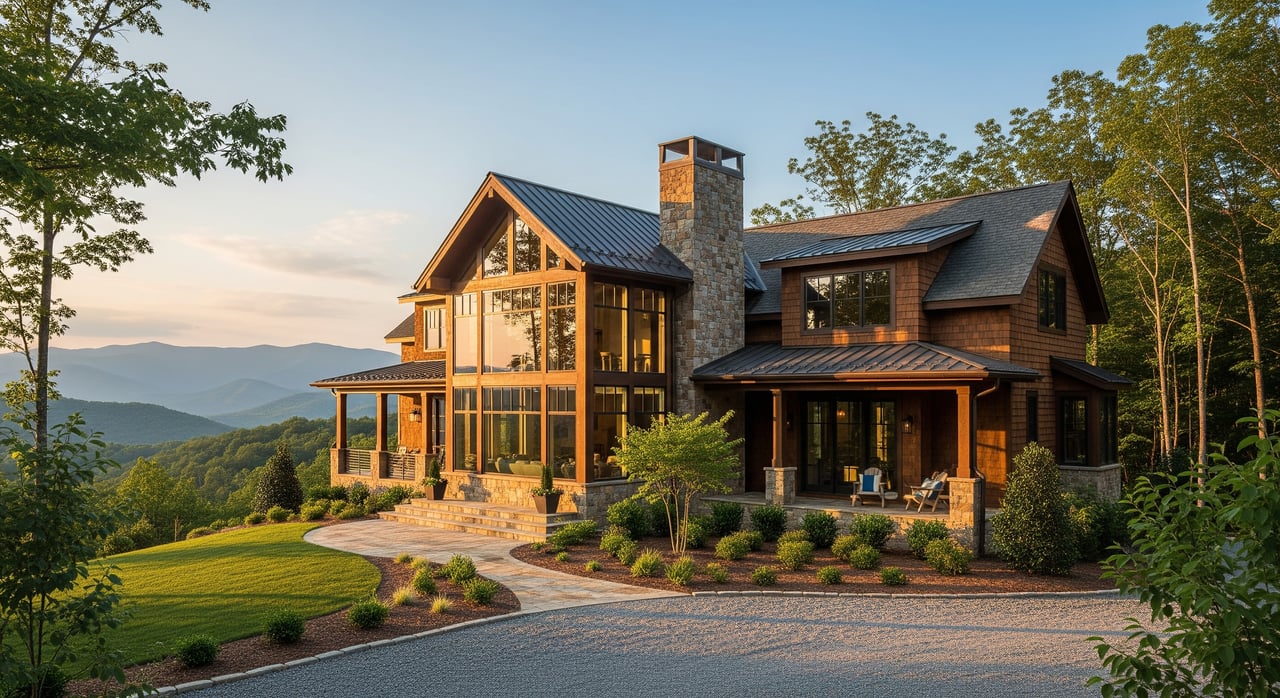
- Views: Long-range or layered mountain views can carry a premium. Both CMAs and appraisals need recent sales with similar views to support any view-related price difference.
- Road access and driveway: Narrow, steep, or unpaved drives, private roads, and winter access limitations can reduce marketability. Written road maintenance agreements help but still require consideration.
- Lot slope and usable area: Steep lots may limit usable yard space and increase build or maintenance costs. Usable flat area often matters more than raw acreage in the mountains.
- Utilities and services: Municipal water and sewer vs well and septic can affect buyer demand. Appraisers note system type, age, permits, and service capacity.
- Septic and well documentation: Lenders, buyers, and appraisers want evidence of permitted systems or county records when available.
- Access to services and commute: Distance to Asheville, I-40, groceries, and medical services can influence the buyer pool and value.
- Restrictions and easements: Deed covenants, conservation easements, and utility easements may limit use and affect comparable selection.
- Seasonal or environmental risks: Floodplain status, wildfire risk indicators, and winter road conditions may reduce value or require disclosure.
- Privacy and noise: Seclusion and minimal visibility of neighbors can increase appeal for many buyers, while proximity to busy recreation sites may have mixed effects.
The takeaway: features like “view” or “privacy” are subjective. You need market-supported comps to justify premiums or discounts.
Timing, cost, and who relies on which number
Typical timelines
- CMA: Often completed in 24 to 72 hours, depending on data gathering and property complexity.
- Appraisal: Commonly 1 to 3 weeks from order to completed report. Rural or complex mountain properties may take longer.
Typical costs
- CMA: Usually provided at no cost as part of a listing or buyer consultation.
- Appraisal: Paid by the borrower or client. Fees vary by property complexity and location and can be higher for atypical or remote mountain homes.
Who uses the value
- Sellers and agents use the CMA to set a list price.
- Lenders rely on the appraisal. If the appraisal is lower than the contract price, you may need to renegotiate, increase the down payment, or, in limited cases, seek a second appraisal.
Why CMA and appraisal numbers can differ
Even when both are done well, the values can diverge. Reasons include timing, different comp selection, the appraiser’s reliance on closed sales instead of pending listings, lender risk rules, and limited evidence for unique features like exceptional views or private access.
If an appraisal comes in lower than expected, you can:
- Work with your agent and lender to submit additional closed comparable sales or corrections through the lender’s process.
- Request a reconsideration of value with documented evidence.
- Renegotiate terms or adjust down payment.
- Explore a second appraisal if allowed by the lender or loan program.
How to prepare in Black Mountain
CMA prep checklist for sellers
- Provide dates and receipts for upgrades and improvements, plus permits if available.
- Share accurate room counts and any surveys or prior appraisals that confirm square footage.
- Supply clear photos of interiors, outdoor spaces, and views.
- List special features: long-range views, outbuildings, workshops, recent roof or HVAC.
- Gather HOA documents, road maintenance agreements, and any deed restrictions.
- Clarify utilities: municipal water/sewer or well/septic; include service history if you have it.
- Share recent nearby sales you know about and your preferred timeline and net goals.
- Disclose known encumbrances or conservation easements.
Appraisal prep checklist for sellers and buyers
- Ensure safe, clear access, lockbox or codes, and open all finished areas for the inspection.
- Organize documents: past appraisals, surveys, house plans, permits, septic/well records, roof age, HVAC service records, and major repair receipts.
- Provide strong recent closed comps through your lender if you are the buyer and know of relevant sales.
- Stage for clarity and light so the appraiser can accurately photograph rooms.
- Document view lines with photos from key rooms and note seasonal changes.
- Share HOA covenants, road maintenance agreements, and easements that affect access or use.
- Disclose extraordinary factors like prior flooding or slope concerns.
Extra mountain-specific tips
- If the appraisal is in winter, plan for plowed or sanded access and note typical maintenance.
- If private roads are involved, have written maintenance agreements ready.
- For properties with acreage, be ready to explain usable vs unusable areas and share surveys or topo maps if available.
Local records to verify in Buncombe County
When you are selling or buying in Black Mountain, it helps to pull the right records early. Useful sources include the Buncombe County Tax Assessor and property records, Buncombe County GIS mapping for parcel and topography details, the Buncombe County Health Department for septic and well permits, and Planning and Development for building permits and zoning. For mortgage-related appraisals, appraiser credentials are verified through the North Carolina Appraiser Licensing and Certification Board. Always confirm details with county offices or the listing agent, especially for private roads, informal easements, or older unpermitted structures.
Buyer and seller tips in Black Mountain
If you’re selling
- Price with a CMA that reflects view quality, access, utilities, and usable land.
- Pull permits and maintenance records before listing to build buyer and lender confidence.
- Highlight documented features buyers value, such as road maintenance agreements and permitted septic capacity.
If you’re buying
- Ask your agent for a CMA that considers closed sales and the most recent pending activity.
- Review septic, well, and permit records early in due diligence.
- Budget time for appraisal scheduling, especially on unique or remote properties.
Next steps
A CMA and an appraisal serve different, complementary roles. A smart strategy uses both: your CMA to guide pricing or offers, and the appraisal to satisfy lender requirements. If you want a mountain-savvy opinion that accounts for views, access, utilities, and usable land, start with a local CMA and gather your documentation early.
Ready for clarity? Request a free, hyperlocal CMA and talk through your pricing or offer strategy with Joellen Maurer. Get Your Free Home Valuation, or ask about tailored options for timing and convenience.
FAQs
What is the core difference between a CMA and an appraisal?
- A CMA is an agent’s advisory estimate for pricing or offers, while an appraisal is a formal, lender-used opinion of value prepared by a licensed or certified appraiser under USPAP.
How long do appraisals usually take in Black Mountain?
- Plan on 1 to 3 weeks from order to completed report, with longer timelines possible for remote or complex mountain properties.
Why would an appraisal come in lower than the CMA?
- Appraisers rely on closed sales and strict documentation, and may not weigh pending or active listings as heavily; unique features like views or private access require strong closed-sale evidence.
Do mountain views always increase appraised value?
- Views can add value only when supported by recent sales with comparable view quality; photos and clear descriptions help, but evidence from similar closed sales is key.
Do septic and well systems affect value in Buncombe County?
- They can, compared to municipal utilities, due to buyer preferences and maintenance perceptions; appraisers consider system type, permits, and service records in the analysis.
What can I do if I disagree with an appraisal result?
- Work with your agent and lender to submit better closed comps or factual corrections for reconsideration, renegotiate terms, or explore a second appraisal if allowed.