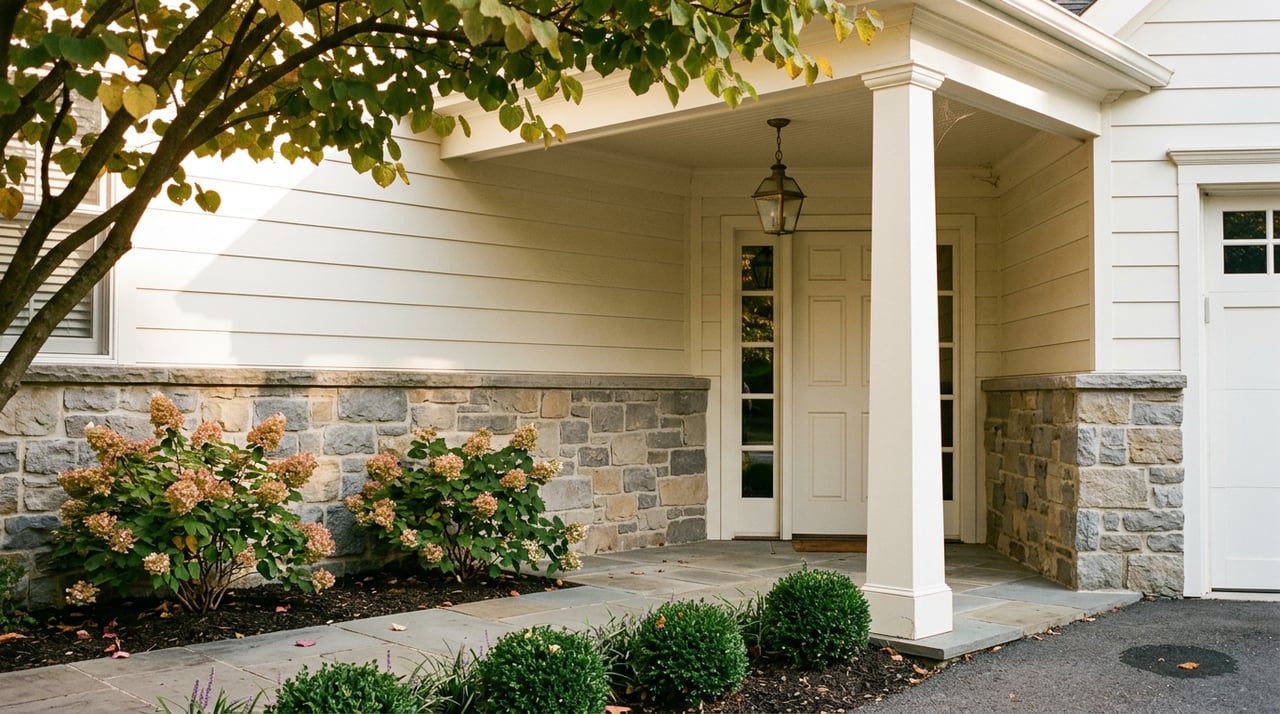
Moving out of Arden before your home sells can feel like trying to manage two full-time jobs at once. You are juggling a move, a new address, and a property that still needs to show well, stay on schedule, and close cleanly. The good news is that an out-of-town sale is absolutely manageable with the right plan. If you are preparing to leave Buncombe County, this guide will help you understand what to do before you go, what to expect from the local market, and how to keep your sale moving from a distance. Let’s dive in.
Arden market conditions matter
If you are selling your Arden home while relocating, it helps to start with the local numbers. In May 2026, Arden’s median listing price was $635,306, with a median 49 days on market. Homes sold for about 2.16% below asking on average, and the sale-to-list ratio was 98%.
That market snapshot points to a balanced market, not a frantic one. Inventory was up 21.97% year over year to 237 homes for sale, which means buyers have options. Your home can still sell well, but pricing, condition, and coordination matter more when you are already living somewhere else.
There is also encouraging demand in the broader Asheville area. Canopy Realtors reported that in May 2026, closed sales across the four-county Asheville area rose 6.3% year over year, and pending sales increased 22.4% year over year. Even with mortgage rates averaging about 6.5%, buyers were still active, which is a helpful reminder that serious buyers are still making moves.
Build your sale timeline early
When you are moving away, the timeline becomes one of the most important parts of the sale. Before you pack the moving truck, decide whether you want to list before you leave, during the move, or after you are fully settled in your next location.
In a balanced market like Arden, the smoothest path is often to complete prep work and launch with a clear schedule. That usually means aligning your sale with your move date, your next purchase if you have one, and the closing attorney’s availability. A little planning up front can save a lot of stress later.
Choose the best listing window
If possible, try to avoid making every decision after you have already left town. It is much easier to approve repairs, handle access, and make quick calls when you are still local or when a plan is already in place.
That does not mean you must delay your move. It simply means your listing calendar should be intentional. A strong launch with clear next steps can help you avoid a scattered, reactive sale from another state.
Think beyond the moving date
Your moving date is only one part of the puzzle. You also need to think about contractor timing, photography, cleaning, showings, and the closing process.
In North Carolina, closings are attorney-centered, so your closing attorney should be part of the conversation early. If you know you will be out of state for signing, it is smart to confirm the expected timeline and document process well before closing week.
Finish prep work before leaving
One of the best things you can do is complete as much visible work as possible while you still have easy access to the home. That includes repairs, cleaning, touch-up paint, landscaping, and staging.
This step matters because a balanced market rewards homes that feel ready. When buyers have choices, a home that looks clean, maintained, and easy to understand often stands out more quickly.
Prioritize the right updates
You do not have to fix everything before selling. Focus first on obvious defects, safety issues, and anything that could affect a buyer’s decision.
In North Carolina, material facts need to be disclosed in time to matter to the buyer. If a new issue comes up after listing, you should update the disclosure or correct the problem. That makes it especially important to address known concerns before you leave if you can.
Use written estimates and clear contracts
If you are hiring help before the move, follow practical consumer steps. North Carolina guidance recommends checking contractor credentials, getting at least three written estimates when possible, using a written contract that spells out the scope, price, and completion date, and avoiding full payment up front.
That advice becomes even more important when you are selling from out of town. Clear paperwork and realistic timelines help reduce surprises when you are not nearby to supervise the work yourself.
Know your North Carolina disclosure duties
Relocating does not reduce your disclosure responsibilities. For most North Carolina residential one- to four-unit properties, sellers must provide the Residential Property and Owners’ Association Disclosure Statement and the Mineral and Oil and Gas Rights Mandatory Disclosure Statement before an offer is made.
This is one reason organization matters so much in a move-away sale. You want your forms, repair records, and property details gathered early so nothing gets lost in the middle of your relocation.
Update disclosures if conditions change
The North Carolina Real Estate Commission also states that brokers have an affirmative duty to discover and disclose material facts. If something changes after your home is listed, such as a repair issue or newly discovered problem, that information should be addressed promptly.
For you as the seller, that means staying responsive even after you leave Arden. A local agent can help you track issues, document updates, and keep the transaction moving with fewer delays.
Lean on a local agent for on-the-ground help
When you are no longer in Buncombe County, your local agent becomes much more than a pricing advisor. They become your point person for showings, contractor access, feedback, issue tracking, and communication with everyone involved.
This role is especially valuable in a relocation sale because things still happen after the listing goes live. A showing may lead to repair questions, a contractor may need access, or a new issue may need to be documented quickly.
What local coordination looks like
A strong local plan can include:
- Setting showing windows that fit your timeline
- Coordinating cleaners, landscapers, and repair professionals
- Monitoring buyer feedback
- Keeping the home market-ready
- Helping communicate disclosure updates when needed
- Staying in contact with the closing attorney
That kind of support can make a major difference when you are already focused on settling into a new place.
Plan the closing before you leave town
Many sellers are surprised to learn how important early closing coordination can be in North Carolina. Because the state uses an attorney-centered closing structure, the closing lawyer should be looped in early, especially if you will be signing from another state.
That early planning helps you understand the document timeline, whether any mail-away package will be needed, and what signing steps can be handled remotely.
Ask about remote signing options
North Carolina allows remote electronic notarization under Chapter 10B, but that should be treated as an option to confirm, not something to assume. Your closing attorney can explain what applies to your transaction and which documents may require a specific signing process.
If you are moving far away, this conversation should happen well before closing week. It is much easier to solve logistics early than to scramble after the settlement statement is ready.
Understand Buncombe County tax timing
Taxes are another detail that can catch relocating sellers off guard. Buncombe County states that real estate is assessed at 100% of market value as of January 1 of the general reappraisal year. The county’s 2026 reappraisal cycle was set to be effective January 1, 2026.
More importantly for a seller, ownership on January 1 determines tax liability for the year. If you sell later in the year, that transfer does not remove your responsibility for that year’s tax bill.
How tax prorations work
That does not mean the buyer and seller ignore timing at closing. Buncombe County also notes that tax prorations are handled by private contract between buyer and seller.
For you, the practical takeaway is simple: ask early how taxes are expected to be prorated in your contract and closing figures. That helps you avoid surprises when you are reviewing numbers from another state.
A move-away sale works best with fewer loose ends
Selling your Arden home after you have relocated does not have to feel chaotic. The process becomes much easier when you set the timeline early, finish visible work before departure, stay current on disclosures, and coordinate with a local agent and closing attorney before the final week.
In today’s Arden market, buyers are active, but they also have options. A well-prepared home with a clear plan behind it is often in a stronger position than a home that is still being managed on the fly from hundreds of miles away.
If you are preparing for a move and want a steady, local plan for selling in Arden, Joellen Maurer can help you map out the timeline, prep, and next steps with Buncombe County insight and hands-on support.
FAQs
What should I do before moving away from my Arden home sale?
- Set your listing timeline, complete as much prep work as possible, gather disclosure information, and coordinate early with your local agent and closing attorney.
Do North Carolina sellers need disclosures before selling a home in Arden?
- Yes. For most residential one- to four-unit properties, North Carolina sellers must provide the Residential Property and Owners’ Association Disclosure Statement and the Mineral and Oil and Gas Rights Mandatory Disclosure Statement before an offer is made.
Can I sell my Arden home after moving out of state?
- Yes. An out-of-state sale is manageable when you have local help to coordinate showings, vendor access, disclosure updates, and closing logistics.
Do I need to repair everything before listing my Arden home?
- No. It is usually best to focus on obvious defects, safety concerns, and issues that could become material facts for buyers.
How does closing work if I already left North Carolina?
- North Carolina uses an attorney-centered closing process, so you should speak with the closing attorney early about signing logistics, mail-away documents, and whether remote notarization may be available for part of the process.
Who pays property taxes if I sell my Buncombe County home later in the year?
- Buncombe County says the owner on January 1 is responsible for that year’s tax bill, while tax prorations at closing are handled by private contract between the buyer and seller.